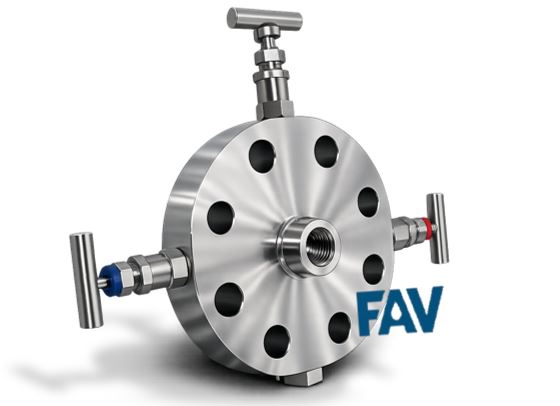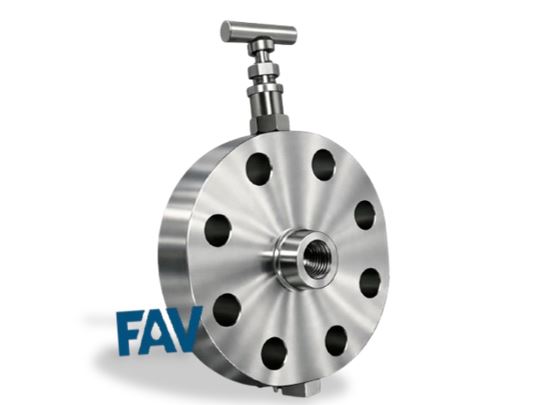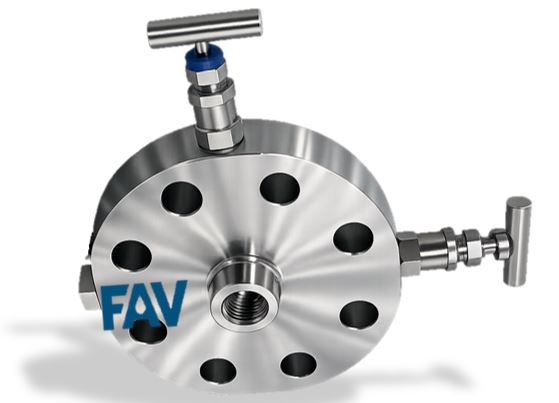

Double Block and Bleed Valves: Two isolation valves + one bleed valve in a single body for positive shutoff during maintenance. Manifold Valves in one system
Block and Bleed Valves: Single block valve + bleed port for pressure venting. Ideal for instrument isolation and calibration.
Single Block Valve: Compact primary isolation for gauge or transmitter mounting. Reduced leak paths vs traditional setups.
Primary Isolate – Needle Pattern: Precise flow control with metal-to-metal seat. Hardened stem tip for long service life in high-pressure lines.
Secondary Isolate – Needle Pattern: Redundant isolation ensures zero-leakage before bleeding. Enables safe instrument removal under pressure and acting as Manifold Valves .
Bleed Valve – Needle Pattern: Safely vent trapped pressure between block valves. Finger-tight operation, anti-vibration design. Horizontal and Vertical Instrument Connections:
Available in 1/2″ NPT, direct mount, or remote mount. Fits Rosemount, Yokogawa, E+H transmitters. Valves Designed to Connect with ANSI B16.5 Flanges: Class 150 to 2500 RF/RTJ flanged ends. Eliminates tubing, reduces potential leak points.
Applications: Oil & gas, chemical processing, power plants, custody transfer, offshore platform
Q: What’s the difference between Double Block and Bleed vs Block and Bleed?
A: DBB has two block valves + bleed for positive isolation. Block and Bleed has one block + bleed, used for lower criticality.
Q: Why use needle pattern for isolate valves?
A: Needle valves give fine throttling control and metal-seated sealing for high-pressure gas/liquid without soft seats that can degrade.